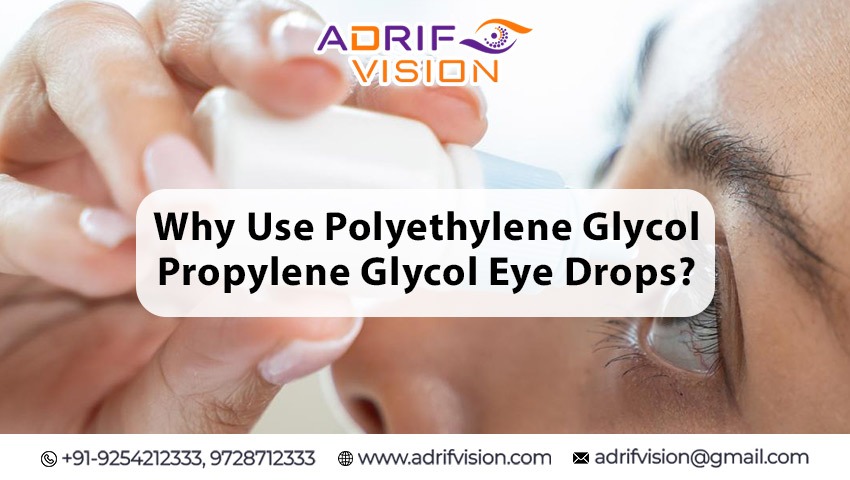
Polyethylene Glycol Propylene Glycol Eye Drops: Itchy, tired and dry eyes are a common problem these days for many people and this is primarily due to the time they spend on screens, air conditioning and the dust or pollution within the rooms they spend the majority of their time in. Most people ignore it until the itching begins to interfere with their work or sleep. This is where polyethylene glycol propylene glycol eye drops come in handy as they are designed to address this common eye dryness problem.
This blog will go over the reasons for this dryness and how these drops can help alleviate it, along with some tips and tricks of using them.
What are the causes of dried and irritated eyes?
Tears flood your eyes every time you blink and that’s how they stay wet during the day. The issue generally begins as soon as you don’t notice it — stay in front of your screen for a while and your blink rate decreases naturally. The drying will be accelerated by dust, wind and direct sunlight. This is not helped by rooms that are always plugged into the air conditioning or heating, however, as they will extract moisture from the surrounding air. Throw in age, certain illnesses or specific medications and the results are typically the same: burning, redness and the everlasting gritty sensation in the eyes.
What effect do Polyethylene Glycol Propylene Glycol Eye Drops have?
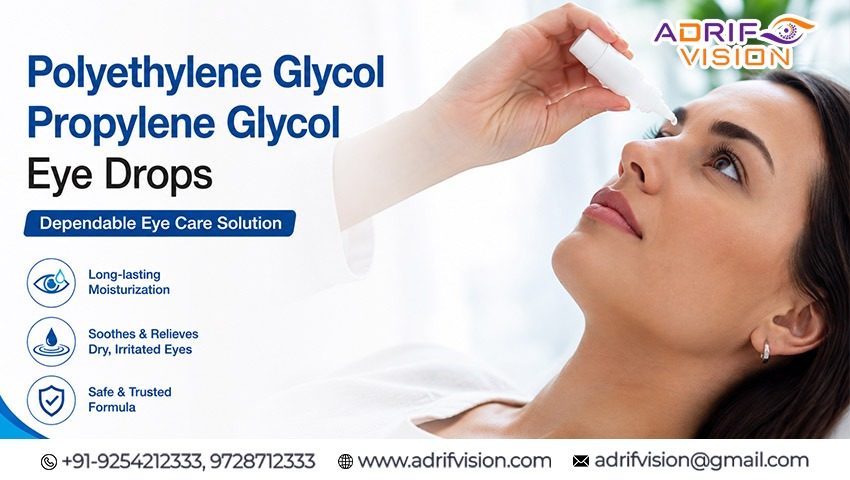
Using this combination is a lubricant, it’s not a treatment for any eye disease. After application, it creates a thin film on the surface of the eye that protects the eye from drying out rapidly, and maintains the natural tear film on the surface for a longer period of time. This same layer also helps to smooth out the surface, and is the reason why eyes that have been burning or irritated feel better shortly after use. Many products in this category do not include the preservative benzalkonium chloride (BKC) which can irritate sensitive eyes if used often. Which is why such drops are more suitable for those who use eye drops frequently during the day, such as contact lens wearers or individuals who are spending extended periods of time in front of a screen.
Here are some tips on how to use them
The drops are used to temporarily relieve dryness, and are not used to treat an eye infection or any underlying eye disease. Keep in mind a few things:
- Wash hands prior to use of the drops.
Avoid touching the tip of the dropper with the eye(s), fingers or any surface, as this can contaminate the bottle.
- Always securely rest the cap on.
Do not alter the dosage or frequency – adhere to instructions on the pack or as prescribed by your doctor.
Final Thoughts
Dry and irritated eyes are common. Polyethylene Glycol Propylene Glycol eye drops are a convenient way to help control the dryness you experience on a daily basis to provide better lubrication and longer lasting tear film stability.
Formulated under WHO-GMP and ISO certified manufacturing standards, Adrif Vision provides this combination of lubricants that is comfortable for frequent use without the presence of an irritating substance like BKC. If dry eyes have been a concern recently, Adrifvision has a product that might be of interest, but you should always see your eye doctor if you need more than just a quick fix.
Frequently Asked Questions
Q1: What is the purpose of Polyethylene Glycol Propylene Glycol eye drops?
Ans: They are designed to alleviate dryness, burning and irritation to the eyes by the normal stresses of the day including screens, wind and air conditioning.
Q2: Can these drops be used daily?
Ans: Of course, there are a number of formulations available for regular use, but it’s always best to consult the directions on the pack and/or your doctor’s recommendations.
Q3: Do these drops cause any harm to sensitive eyes?
Ans: Generally, a formulation that is BKC-free is more gentle and appropriate for sensitive eyes or for repeated use.
Q4: Are these drops good for eye infections?
Ans: No, they are to relieve eye dryness and not for treatment of infection or other diseases of the eye.